SEO, or search engine optimization, helps people find your massage practice when they search for the services you offer. It now includes making your information clear enough to be found and cited in AI answers, including Google AI Overviews and AI Mode, ChatGPT search, and Perplexity.
I know how challenging it can feel to market your practice while caring for clients and keeping the business running. You don't need to turn yourself into a search expert. I would start with a website that explains your work clearly, answers your clients' questions, and makes the next step easy.
Google says there isn't a separate trick for AI search: helpful, clear content and solid SEO basics are still the foundation for being shown and cited. That is a much more manageable place to begin than chasing every new tool. You can also read how Google Search works.
Find the words your clients actually use
Keyword research means learning how people describe what they need, then using those words naturally on your website. You may think in modalities, while a client thinks in questions. Both can help you understand what belongs on a page.
Here are three practical places to look:
- Google autocomplete and People also ask: start typing a service or question into Google. Notice the suggested searches and the questions that appear in the results.
- Google Search Console's Performance report: see the real searches people use to find your website. This gives you a starting point grounded in your own practice, rather than guesses.
- Google Keyword Planner: use it to look at search volume. It is free with a Google Ads account.
If you offer shiatsu massage, use “shiatsu massage” in the content that describes it. Give that service its own page rather than squeezing every modality into one long list. Explain the service in language a prospective client can understand.
I would choose one service page to work on first. Use what you learn from these searches to make it clearer and more useful, not to repeat the same phrase in every sentence.
Answer real questions: AEO without the jargon
Answer engine optimization, or AEO, means writing information that answers the questions people bring to search and AI tools. It isn't a separate personality you have to adopt online. Think of the questions clients ask before booking or during a session.
A heading such as “Is deep tissue massage painful?” or “How often should I get a massage?” makes the question clear. Put your answer in the first sentence or two beneath that heading, then explain the details. Use your own knowledge and experience; don't make a page promise more than your work can deliver.
Keep one main topic per page so people can follow it easily. Key information should be real text on the page, not available only inside an image or a PDF. Someone looking for an answer shouldn't have to hunt through a download to understand your services.
Show who is behind the information, too. Your credentials, experience, and real photos help people understand who you are and whether they feel comfortable booking with you. I want your website to sound like you, not like a collection of search phrases.
Get the on-page basics in place
On-page SEO is the way you organize and describe each page. These basics help search engines understand the content and help clients decide whether it answers their question.
Give each page a unique title and description
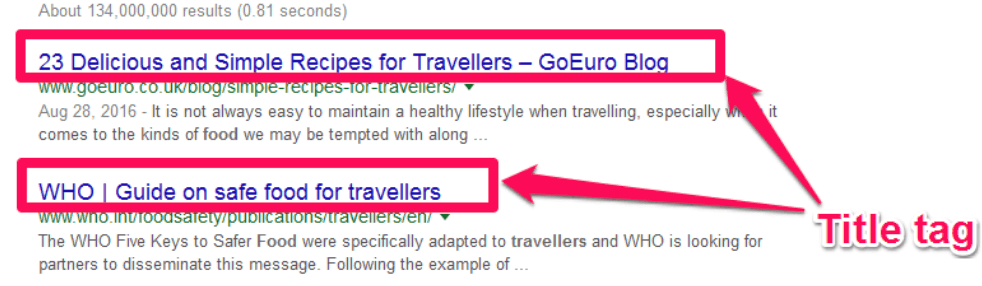
The title tag names the page, and the meta description gives a short description of its content. Make both specific to that page. A shiatsu service page should describe shiatsu, rather than reuse the same general introduction as every other service.
I would keep the wording clear and useful, with no keyword stuffing. Ask yourself whether a new client could tell what the page is about from these two pieces of text.
Use one clear H1 and logical headings
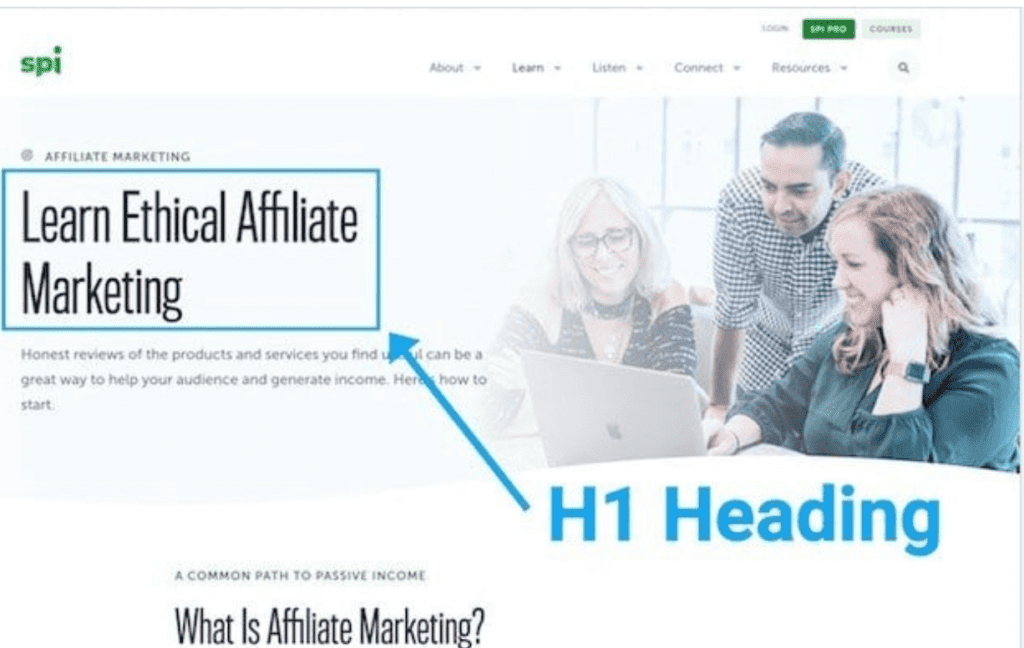
Give the page one main heading, or H1. Use H2 headings for the main sections and H3 headings for points within those sections. Clear headings make the information easier to scan without reading every paragraph.
Describe meaningful images with alt text
Alt text describes an image for people who cannot see it and helps explain what the image shows. Write a useful description of the actual photo or example, rather than filling it with keywords.

Keep your Google Business Profile accurate
Local SEO helps people find a practice near them. Your Google Business Profile is an important part of that: AI answers and the map pack draw heavily on the information in this profile.
Check that your profile is complete and accurate, including:
- Your services, business categories, and hours
- A working booking link
- Current, real photos of your practice
- Your business name, address, and phone information
Keep those business details consistent across your website and directories. Make regular posts, ask happy clients for reviews, and reply to the reviews you receive. I would treat the profile as part of your ongoing marketing, not something to fill out once and forget.
A small weekly profile habit
Choose one useful task each week: check a service description, share a relevant update, add a real photo, or respond to a review. Write your business description as if you were explaining your work to an ideal client, not filling space with generic claims. List the services you actually offer, rather than stopping at the word “massage.”
Check questions and answers wherever the platform currently provides them, and keep frequently asked questions on your own website too. A clear answer about session length, what to expect or how to book helps a prospective client make a decision. You can use this Google posting walkthrough as a starting point and check the current interface as you go.
Search your own business name
Look at the directories and booking profiles that appear. Make sure they describe the same practice, services and opening hours, and correct outdated information. AI search tools may encounter information across the wider web, so clarity outside your own website matters too.
If an automated call asks about your business information, verify its source before sharing anything sensitive. Check your profile and the current communication settings rather than assume every unfamiliar call is Google. An accurate profile helps clients find information, but no particular update guarantees that automated calls will stop.
Make the technical basics work for you
A fast, mobile-friendly site makes it easier for someone to read about your services and book from their phone. Check your pages on a small screen, not only on the computer where you edit them.
If someone helps manage your website, ask them about these basics:
- Business structured data: LocalBusiness markup helps search engines understand your business name, services, and location.
- Crawler access: don't block AI search crawlers in robots.txt if you want your content to be found there.
- Your sitemap: submit it in Google Search Console and Bing Webmaster Tools so both services can discover your pages.
These are supporting pieces, not a replacement for useful content. I wouldn't let the technical list keep you from improving the service page that clients are already trying to read.
Build quality links and local mentions
Backlinks are links from other websites to yours. Local mentions can also help people discover your practice through organizations and publications they already know.
Think about relationships with chiropractors, gyms, and yoga studios. Local business associations, reputable directories, guest posts, and local press are other places to consider. Look for genuine connections where information about your practice would be useful.
Quality matters more than quantity. I would rather focus on a relevant local partnership than collect a long list of links with no connection to your clients or community.
Measure it
Check what happens as you improve your pages. Search Console shows searches and clicks. Google Business Profile insights show calls and direction requests. Ask new clients how they found you, too.
Those conversations matter alongside the reports. They help you connect the work you are doing online with the people who actually arrive in your studio, rather than treating every visit to a page as the whole story.
Keep it steady and manageable
SEO takes patience and consistency. Start with one clear service page, keep your business profile current, and answer the questions clients really ask. Then keep refining the information as you learn. You don't have to do everything this week.
What AI search changes for your practice
A person may read about you in local search results or an AI answer without visiting your website first. That means website traffic alone doesn't tell the whole story. Your profile, reviews and booking information should help someone understand your work wherever they first encounter it.
SEO, AEO and GEO are related terms, not three separate businesses you have to learn. SEO concerns being discoverable in search; AEO emphasizes answering questions clearly; GEO is often used for visibility in generative AI answers. None guarantees a recommendation. Helpful, accurate information and a trustworthy presence remain the practical starting point.
Make the next appointment easy to find
Keep your booking link working and show clear session descriptions and prices. Check whether your scheduling provider supports Reserve with Google and whether your services are eligible before trying to connect it. Online booking can reduce friction for clients, but it is not a universal requirement for appearing in search or a guarantee of preferred placement.
If a client cannot book immediately, show a clear next step. The goal is a real person understanding your offer and knowing what to do next, not pleasing an imagined algorithm at the expense of their experience.
Write content that helps someone choose
Don't stop writing useful articles just because an AI might summarize an answer. Focus on the questions your actual clients bring: what a session feels like, who your approach suits, what it costs, and when they should seek guidance from a qualified healthcare professional instead. Avoid near-identical location pages that merely swap a city name without adding useful local information.
Use real experience and clear authorship rather than generic claims. Keep factual details current, and don't turn an old statistic or a ranking rumor into a promise about this year's bookings.
A practical starting checklist
- Check your Google Business Profile services, hours, photos and booking link.
- Search your business name and correct inconsistent directory information.
- Improve one service page with a direct answer to a real client question.
- Make your prices and booking next step easy to find on a phone.
- Ask for genuine reviews and respond thoughtfully without sharing private client details.
- Review searches, profile interactions and actual new-client bookings together.
You can get my free Google guide or book a free call if you'd like to talk through where to start.
Want your weekly marketing done for you? Practice Promotor writes it in your voice and posts it for you. Try it free for 14 days.